Posted On12 Mar 2026
Why Certification Matters
Passivhaus Certification is sometimes seen as optional extra - a "nice to have" rather than a necessity - if you want Passivhaus results, certification is essential.
Why Certification Matters
To achieve Passivhaus results, certification isn’t an add‑on. It is the mechanism that ensures the building performs the way you designed it to.
It’s an understandable instinct: when budgets tighten, certification can look like an easy line to cut.
But removing certification rarely saves significant cost. In fact, it can lead to higher project costs, lower building performance, and less satisfied occupants. Certification is not paperwork — it’s quality assurance. It’s how you make sure the building you get, is the building you thought you were paying for.
At its heart, Passivhaus Certification is an independent technical review. The independent review matters because it gives the certifier the distance needed to see the project as it truly is. While design and construction teams are immersed in day‑to‑day decisions and deadlines, an independent certifier can step back, take a holistic view, and spot issues that are easy to miss when you’re deep in the work.
The WARM certification team isn’t just independent — we’re architects and engineers with real, hands‑on project experience. That means we understand how buildings come together and can give practical, meaningful feedback that strengthens the design.
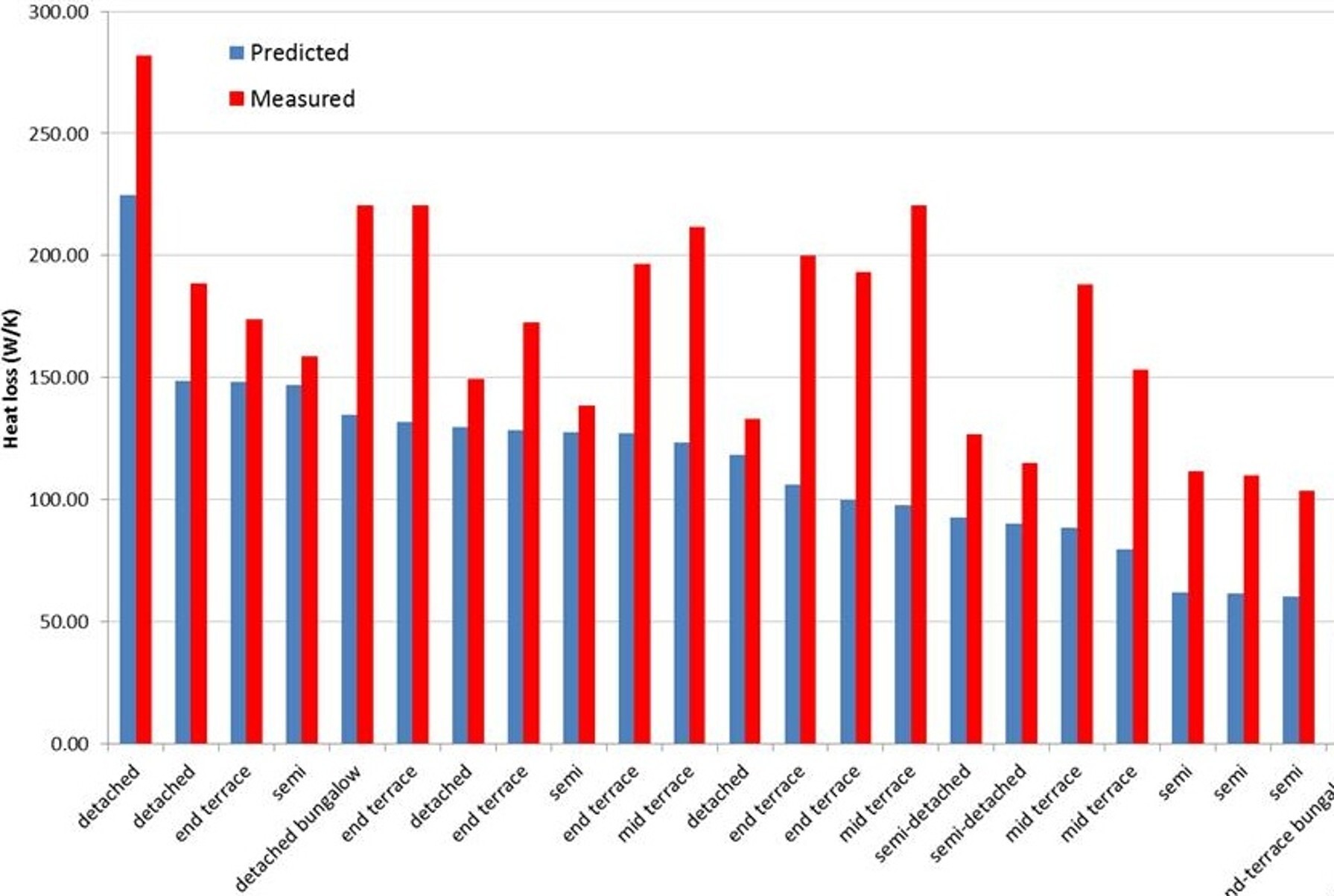
Our industry is notoriously bad at delivering buildings that perform. A robust QA system allows us to buck this trend.
Without Certification, you lose checks, expertise and oversight that make Passivhaus performance possible. When we see recommendations to “aim for Passivhaus” but skip certification alarm bells ring.
8 Key Principles
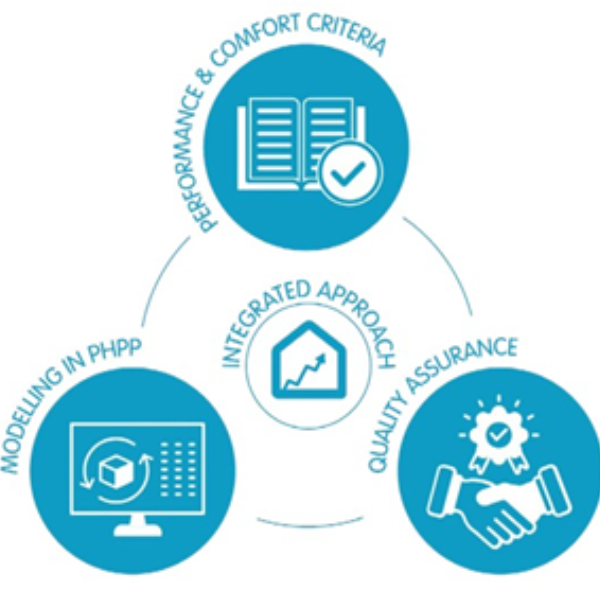
There are eight Passivhaus principles: 5 well known building principles of insulation, airtightness, ventilation, minimised thermal bridging, and high-performance windows, but also 3 core principles of approach - detailed performance and comfort criteria, accurate design modelling using the Passive House Planning Package (PHPP) and finally, rigorous quality assurance.
The Passivhaus Trust’s guidance is clear: picking a few building principles without the integrated approach—PHPP modelling and rigorous QA—creates significant risks of underperformance and extra cost. Certification is what binds the whole system together and verifies it.
The Passive House Institute (PHI) frames certification as a formal quality assurance process with design‑stage review, construction evidence, and post‑construction verification—precisely to ensure the building meets comfort and energy criteria, not just on paper.
Benefits of Certification
The Passivhaus trust defines the benefits of Passivhaus under 5 broad categories; Climate emergency, health and wellbeing, people performance, social return, and financial benefits.

A certified building delivers all of these – but certification also brings specific advantages for those involved in the construction process. These practical benefits ensure projects run smoothly, meet performance targets and protect reputations.
Examples from our Archive
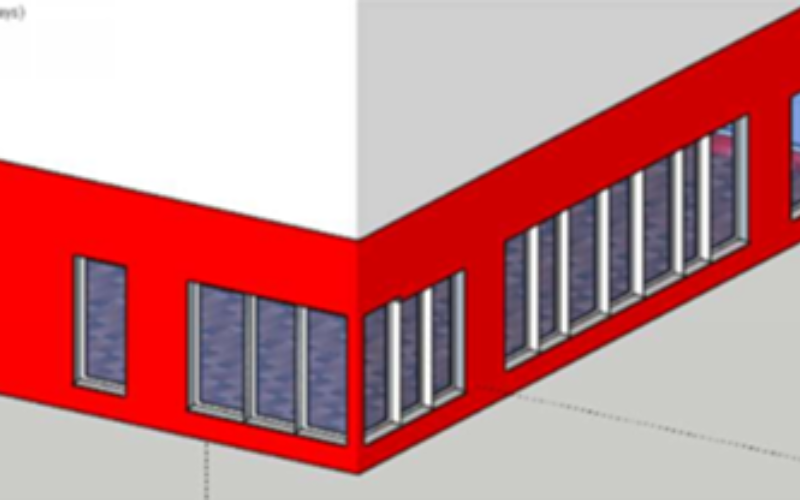
Early design: Shading Modelling
Even experienced professionals can make mistakes when modelling. On this project, small errors led to overestimated shading which we identified during the initial check. By feeding this back to the designers, the team gained extra margin in the calculations, which created opportunities for cost savings elsewhere.
This is an example of how certification can reduce costs.
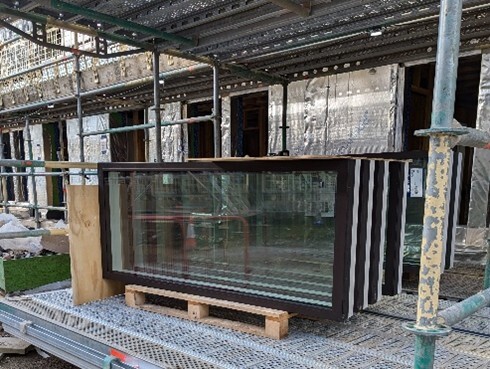
On site: Window delivery
Checking for substitution is a critical part of the certification requirements. Here a different specification of glazing was delivered to site meaning the actual heat loss was worse. By letting the client know quickly they were able to decide what remedial work to pursue.
This shows the certification process helping to close the performance gap.
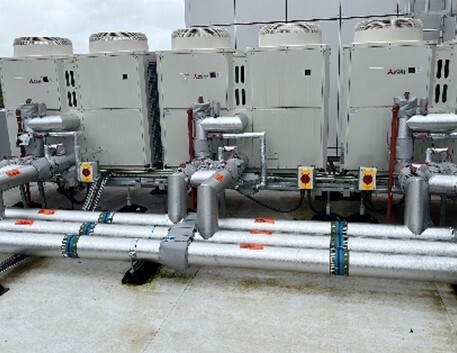
School – Heat Pump Commissioning
When reviewing the heat pump commissioning and spotted the flow temperature was set up to provide heating at 55°C instead of the designed 40°C; a small difference but it dramatically reduced efficiency. Certification caught this before handover.
Another example of certification helping close the performance gap.
What Can Happen Without Certification
Higher costs later: Remedial works to fix overheating or controls cost more than getting the design right
Bigger performance gap: UK buildings frequently use more energy than predicted (often 2-5×)
Dissatisfied occupants: Comfort and Internal Air Quality issues lead to complaints and reputational damage
Legal and marketing risks: Misleading claims “built to Passivhaus principles” are increasingly scrutinised; certification protects your brand and your customers.
How WARM Makes Certification Easier and Less Risky
Our approach is built on open, proactive communication, ensuring that requirements are clear at every step. And it’s this approach that leads to buildings that run smoothly, perform efficiently and keep their users comfortable – which makes us very happy too!
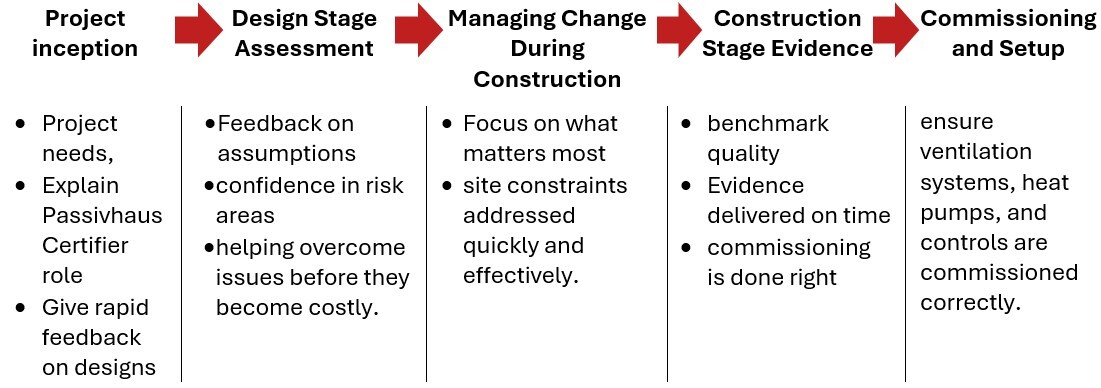
Certifiers are independent but success comes, using Quality Assurance checks to support, lift
- A great design team
- An excellent Construction team
- Quality Assurance checks
Further Reading
- Passivhaus Trust Papers
- PHI Certification Material 03_building_certification_guide
- Performance Gap Evidence
- Warm