Bryn Veterinary Centre
Other
Bryn Veterinary Centre
The first Passivhaus veterinary surgery in the UK!


The Team
- Client, Contractor & Passivhaus Designer - Chris Copeman
- Architect - PYC Construction
- M&E Engineer - Green Building Store (now 21 Degrees)
Project Overview
A Passivhaus Vetinary Surgery which required careful energy modelling to balance year‑round comfort, resilience to overheating and low operational energy demand, while accommodating equipment‑driven internal heat gains that were initially uncertain.
WARM, as Passivhaus Certifiers supported the project team throughout design development and construction, working alongside the Passivhaus Designer to ensure that the building’s performance modelling, detailing and site execution were robust, realistic and future‑proofed.
The WARM difference
Accurate Internal Heat Gain Modelling
The internal heat gains (IHGs) - the heat generated by occupants, lighting, equipment and processes- play a critical role in determining space heating demand and overheating risk. This was unknown to begin with, because the specialist medical equipment is not found in most buildings. WARM assisted the Passivhaus Designer in identifying, gathering and validating the detailedequipment data, enabaling accurate calculation of the IHGs.
Pragmatic Thermal Bridge Strategy
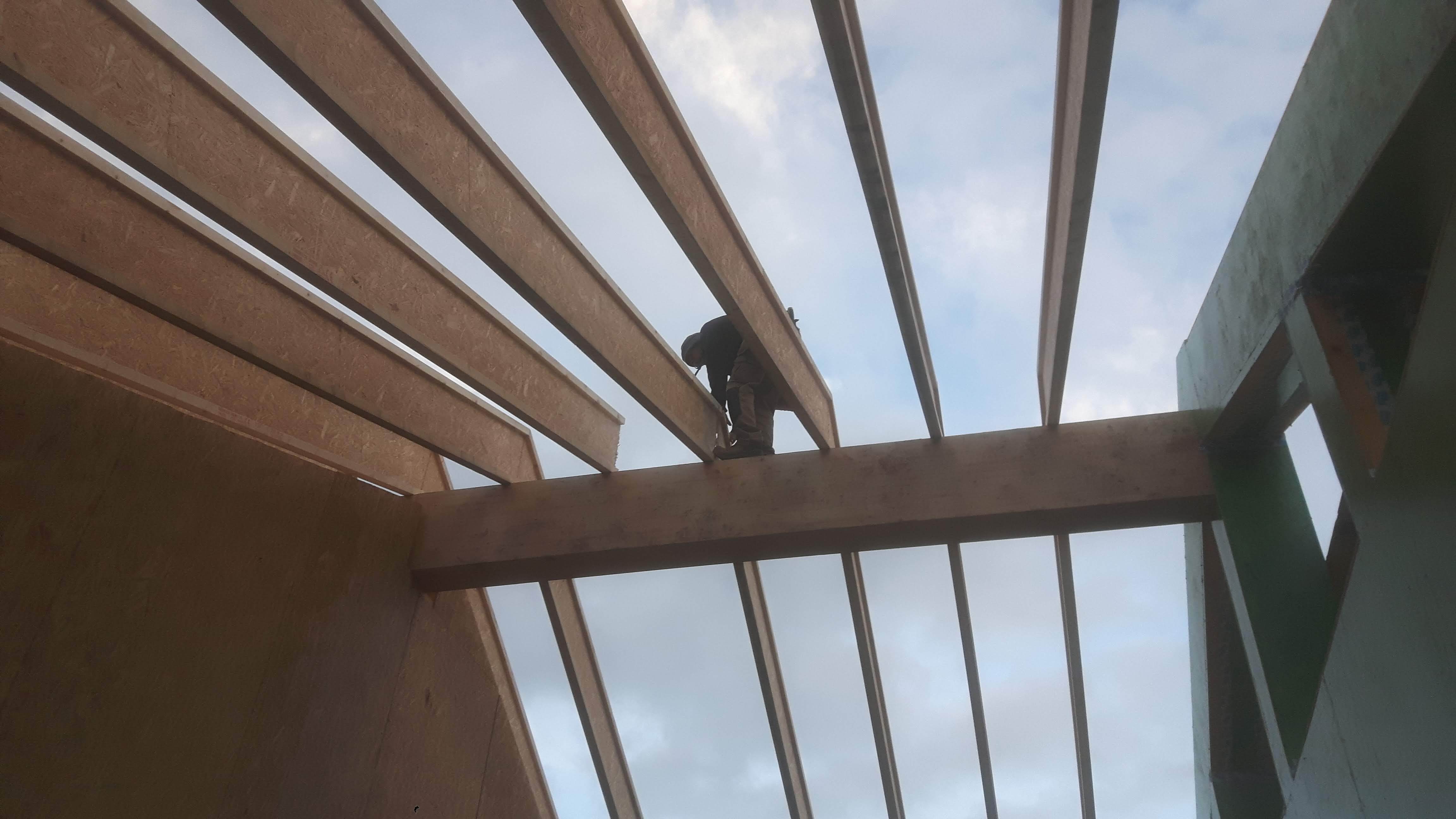
WARM advised conservative Psi-values, reducing the need for bespoke calculations. In several instances, photos of junctions from site were used to inform these assumptions. This ensured that modelling decisions were grounded in the as‑built.
Summer comfort and climate resilience
WARM probed the summer comfort modelling in detail, stress-testing the design against future climate scenarios. This analysis provided confidence that the building would remain comfortable during increasingly frequent summer heatwaves, protecting occupants and clinical activities over the building’s lifetime.
Photos