Perth High School
Education
Perth High School
Passivhaus replacement secondary school for Perth and Kinross Council


The Team
- Client - Perth and Kinross Council
- Architect - Norr
- Contractor - Robertson
- M&E Engineer - Atelier Ten
- M&E Engineer - FES
- Passivhaus Designer - Max Fordham
Project Overview
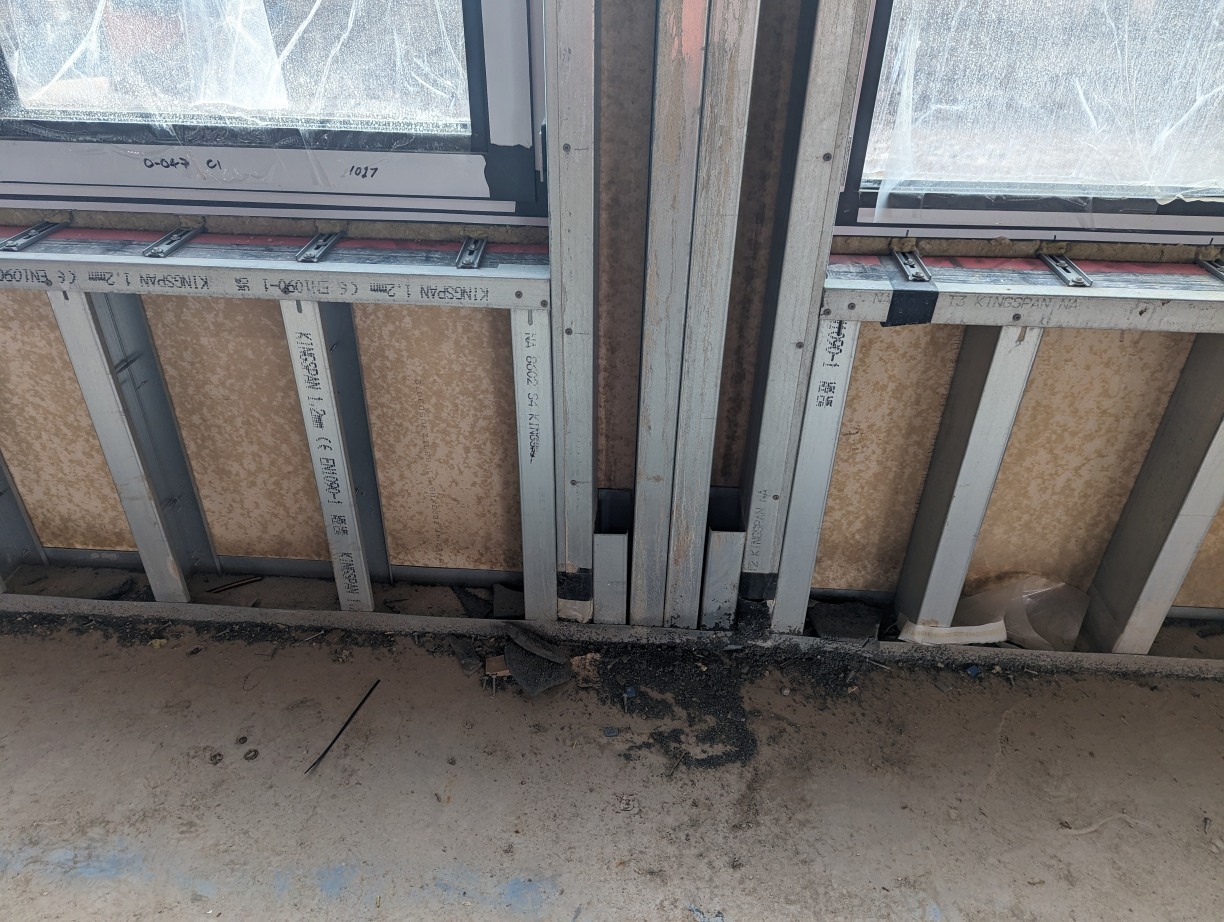
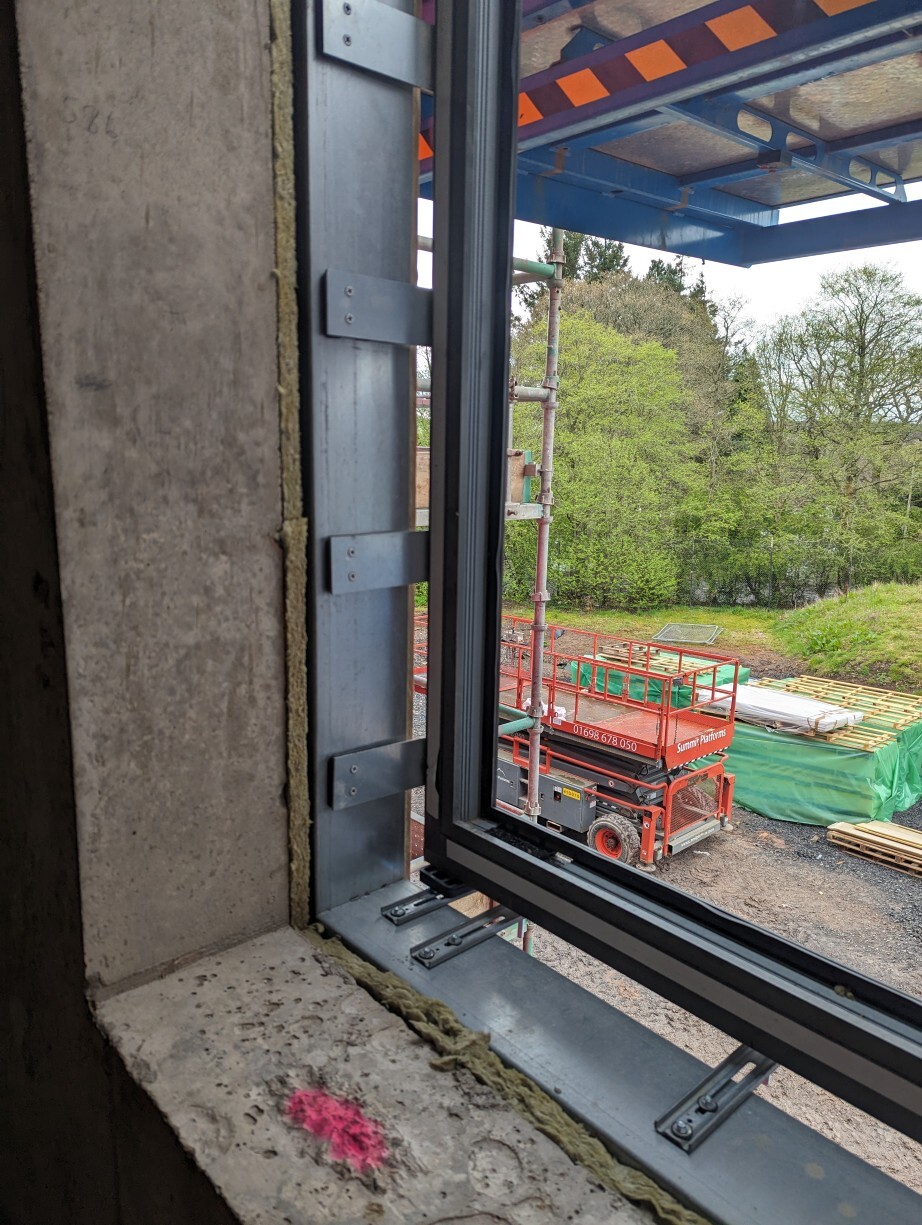
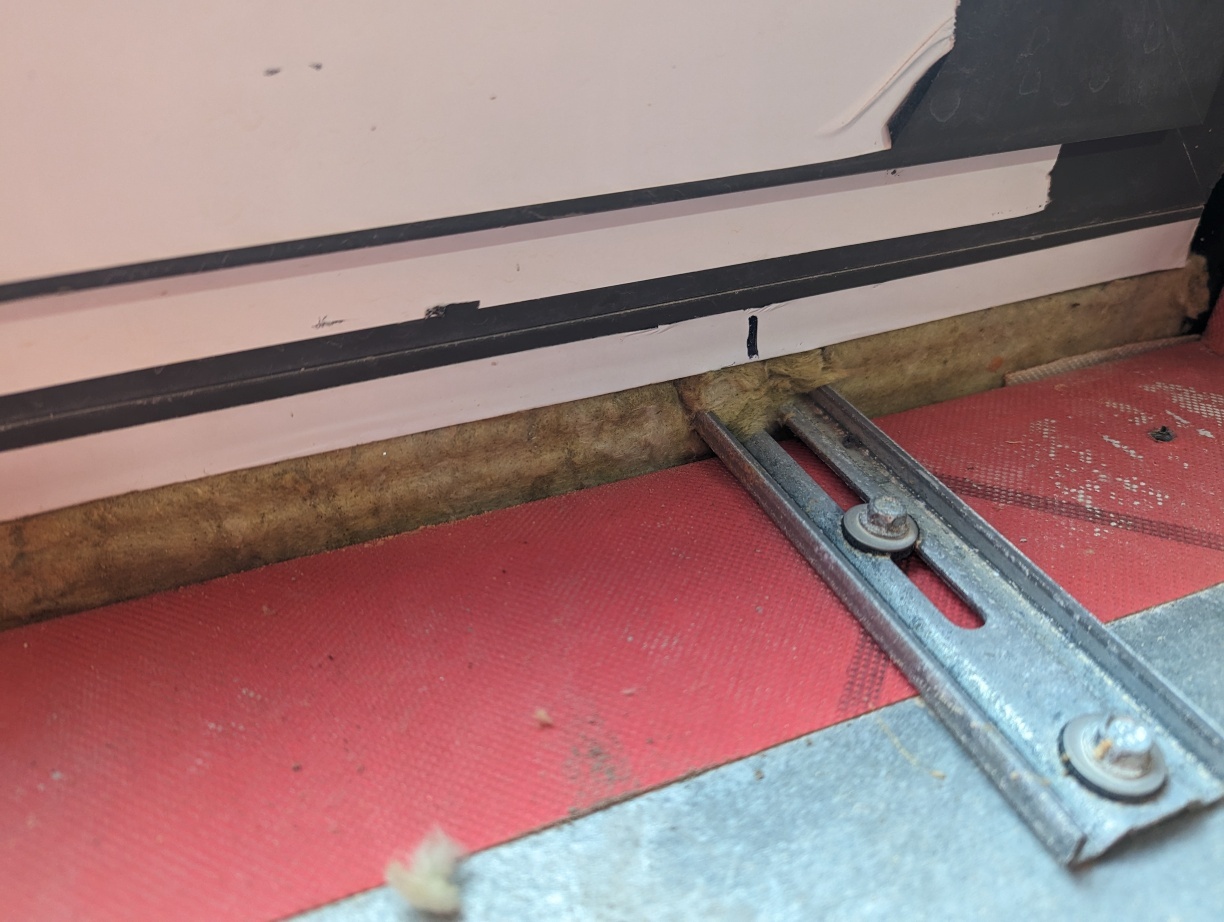
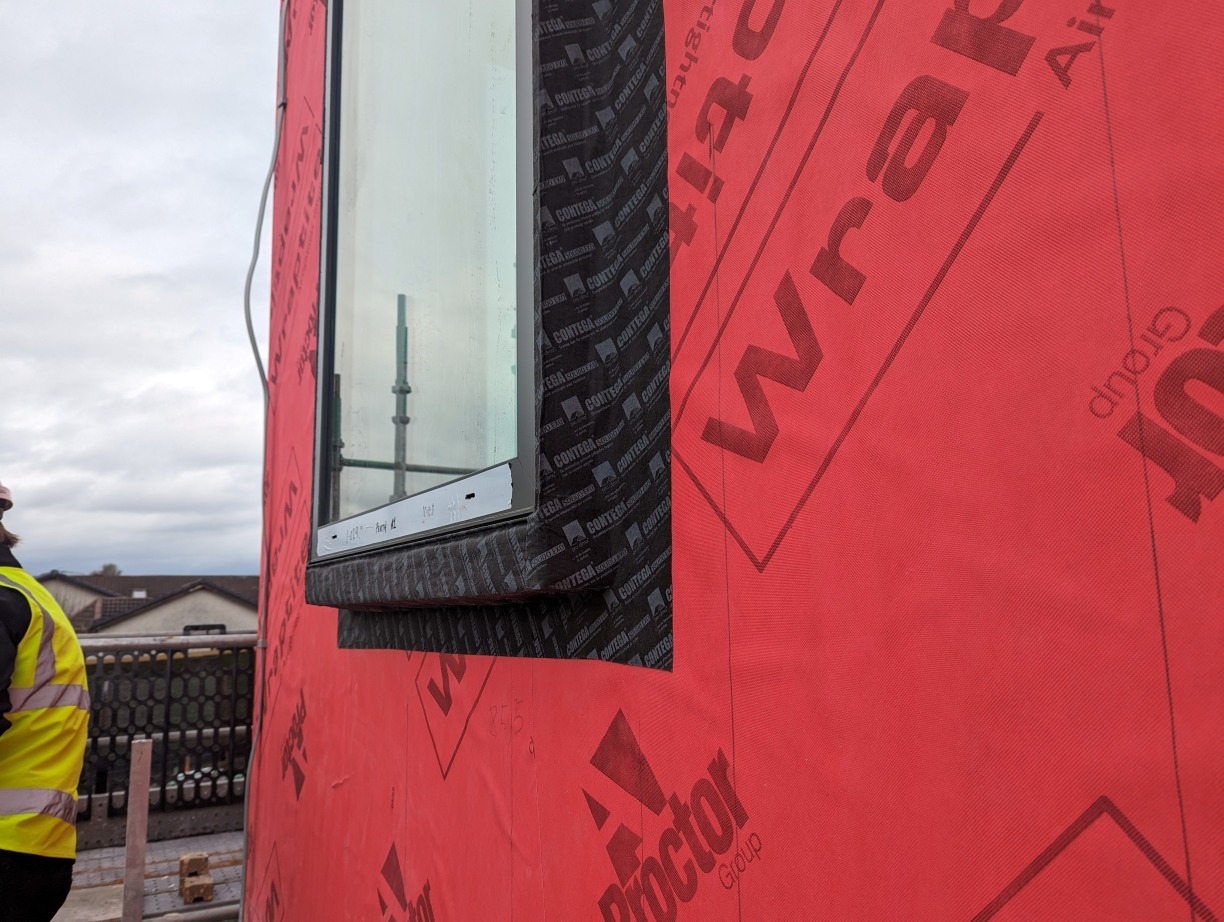
Perth High School is a large secondary school designed to meet the Passivhaus standard. The building uses a steel structural frame, requiring careful coordination between structure, fabric performance and airtightness to achieve the required energy targets. The project demanded a pragmatic approach to thermal modelling, where extensive steel penetrations and complex junctions had the potential to significantly increase heat loss if not properly accounted for.
The WARM difference
WARM supported the Passivhaus Designer and wider project team through detailed fabric modelling, thermal bridge strategy development and Passivhaus compliance, helping to balance modelling accuracy with programme and resource constraints.
Managing complex U‑value modelling
WARM provided significant input to the U-value modelling, guiding the Passivhaus Designer through the complex task of accounting for numerous steel interruptions, many of which occurred in close proximity to each other and at varying centres. We had to ensure the steel penetrations were accounted for in enough accuracy, whilst trying to minimise modelling time inputs, and we did this by agreeing variants of each case that were worse than average, but not the worst.
Bespoke PER demand limit
Perth High School required a bespoke PER demand limit. This was the first project WARM had undertaken this task. Through this work WARM developed a clear understanding of the PER demand calculation process, supporting the team in this unfamiliar but increasingly relevant aspect of large Passivhaus projects.
Project Information
- Passivhaus Classic
- EDUCATION 1600 pupils, 140 staff
- TREATED FLOOR AREA 12,676m2
- Form Factor 1.5
- Space heating demand 12.3 kWh/m2/yr
Photos